07 October 2026
The Heart of Senior Care with Dignity: A Personal Approach in Venice, FL
Presented by @7yui0g44eo
When we talk about senior care with dignity, it is easy to let the phrase become a slogan rather than a living reality. I have spent years working in Florida eldercare, and I have seen how easily the best intentions can slip into routines that treat people like tasks. True dignity in aging is not about nice furniture or a friendly smile alone. It is about honoring the whole person, their history, their preferences, and their right to make choices even when they need help with daily living assistance.
In places like the Venice FL community, where Magnolia Gardens operates a small residential care home, the approach to assisted living and memory care is deliberately intimate. That scale matters. When a home serves fewer residents, the staff can actually know each person. They can learn who likes coffee before breakfast, who needs quiet in the afternoon, and which old song brings a smile. That level of attention is the foundation of senior care with dignity, and it is something larger facilities often struggle to deliver.
What Dignity Looks Like in Daily Life
Dignity in aging is not abstract. It shows up in small, consistent actions. For example, a caregiver who knocks before entering a room, waits for a response, and then asks permission before helping someone dress. That act of respect takes maybe ten extra seconds, but it tells the resident, "You are still in charge of your own body and your own day." That is person-centered care in action.
Another practical example involves meal choices. A home that practices genuine senior care with dignity does not serve the same plate to everyone at the same time. Instead, residents have options. Maybe one person wants a sandwich at noon and another prefers a larger meal at two o'clock. Personalized care plans can accommodate these preferences without disrupting the household. It takes a bit more coordination, but it preserves something essential: the resident's sense of control over their own life.
Memory Care and the Need for Patience
Memory care is one of the most demanding areas of senior living. Residents with dementia may not remember what happened five minutes ago, but they still feel emotions deeply. They still respond to tone of voice, to touch, to a familiar song. The Alzheimer's Association has long emphasized that communication techniques matter more than the content of words. A compassionate staff member who learns to redirect rather than correct can prevent hours of distress.
In a residential care home setting, memory care looks different than in a large locked unit. There is more flexibility. If a resident becomes agitated, the caregiver can take them for a walk in the garden rather than following a rigid schedule. The environment itself becomes part of the therapy. That is why holistic wellness matters so much here. It is not just about medication management and safety checks. It is about sunlight, fresh air, music, and meaningful engagement throughout the day.
Respite Stays and the Value of a Trial Run
Many families hesitate to consider assisted living because they fear it means a permanent loss of independence. That is where respite stays can change the conversation. A short stay of a week or two gives the older adult a chance to experience the home without committing to a permanent move. It also gives family caregivers a real break, which is a form of caregiver support that often goes overlooked.
I have seen families where a spouse was burning out from providing round-the-clock care at home. They were trying to support aging in place, but the strain was affecting their own health. After a two-week respite stay at Magnolia Gardens, the spouse who stayed behind got real sleep, went to the doctor, and came back with renewed energy. The resident, meanwhile, had made a new friend and enjoyed activities they had not done in months. That kind of experience can shift the entire family's perspective on what senior care can actually be.
Navigating the Financial Side
Cost is always a concern. Families often ask about Medicare and whether it covers assisted living. The short answer is that Medicare does not pay for room and board in an assisted living or residential care home. It covers only certain medical services, like skilled nursing or therapy, under specific conditions. However, some long-term care insurance policies do cover assisted living, and veterans may qualify for aid through the VA. It pays to consult with a local elder law attorney or a senior placement specialist who knows the Florida eldercare landscape.
That said, the cost of a smaller residential care home can be more predictable than a large facility. There are fewer layers of administration, and the pricing often includes all the essentials: meals, housekeeping, daily living assistance, and activities. Families should ask for a detailed breakdown and look for transparency. A home that is upfront about costs is usually a home that values trust.
The Role of Family Involvement
Senior care with dignity does not mean cutting family out of the equation. In fact, the best homes actively encourage family involvement. They invite relatives to join meals, to participate in care planning meetings, and to share stories about the resident's life. That kind of openness builds trust and helps the staff see the resident as a whole person rather than a list of diagnoses.
Family involvement also provides an extra layer of safety. When relatives visit often and know the staff by name, they can spot changes in mood or condition early. They can advocate for adjustments to personalized care plans. And they can help the resident maintain connections to the outside world, which is crucial for senior independence even within a supportive environment.
Why Smaller Settings Often Work Better
There is a reason many experts in aging recommend looking at residential care homes before touring large campuses. The staff-to-resident ratio is usually higher, meaning more actual attention per person. The environment feels like a home, not an institution. There is less noise, less turnover, less of that clinical feel that can strip away dignity.
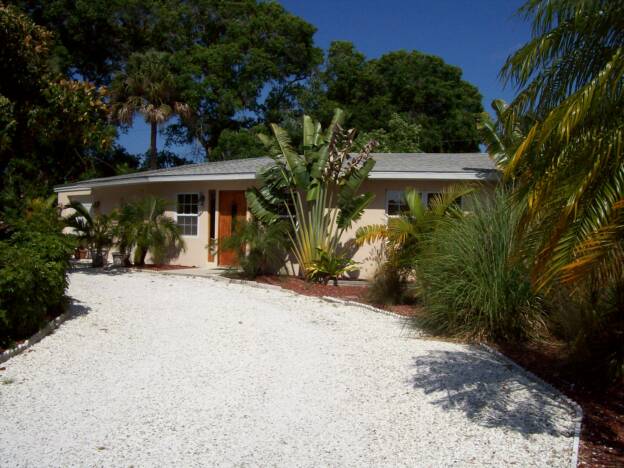
At Magnolia Gardens, the focus on calm and personalized support is not a marketing line. It is a design choice. The home is set up so that residents can move around safely, sit in the garden, or join a small group activity without feeling overwhelmed. For someone with memory issues, that quiet environment can reduce agitation and improve sleep. For someone recovering from a hospital stay during a respite stay, it provides the rest and gentle activity they need to regain strength.
Of course, small homes have trade-offs. They may not have a dedicated gym or a full-time nurse on site. But for many families, the trade-off is worth it. The trade-off is a place where the staff knows your mother's name and her favorite snack, where the schedule bends around her needs rather than the other way around. That is the essence of person-centered care.
A Practical Checklist for Families
If you are exploring options for a loved one, here are a few concrete things to look for:
- Observe how staff speak to residents. Do they use names? Do they make eye contact? Do they wait for a response?
- Ask about staff training, especially in memory care. Has the team completed any programs through the Alzheimer's Association?
- Visit at different times of day. See what happens during meals, in the afternoon, and in the evening.
- Talk to residents' family members. Ask if they feel included in care decisions.
- Review the approach to meaningful engagement. Is there a calendar of activities? Do residents have input into what is offered?
These questions go beyond brochures. They reveal whether a home truly practices what it preaches about dignity in aging.
Looking Ahead
The field of senior care is evolving. More families are looking for alternatives to the old institutional model. They want a place where their loved one can still be themselves, still make choices, still feel valued. That is what senior care with dignity means in practice. It is not a luxury. It is a basic standard that every older adult deserves.
In the Venice FL community, places like Magnolia Gardens are showing that small, intentional homes can meet that standard consistently. They are not for everyone, but for many they offer a better fit than a larger facility. The key is to visit, to ask hard questions, and to trust your instincts about the warmth and competence of the staff. When you find the right place, you will know. And so will your loved one.